Vendor & Supply Chain Cyber Risk: How to Vet Third Parties Safely
Cybersecurity isn’t just about protecting your own computers and systems anymore.
Even if your business has good security in place, a supplier with weak cyber defences can become an easy way in for attackers. This is why vendor and supply chain cyber attacks are increasing rapidly, especially against small and medium-sized businesses in the UK.
The reassuring news is that you don’t need to be a cybersecurity expert to reduce this risk. With a few sensible checks, you can protect your business from becoming the weakest link — or being compromised by one.
What Is Supply Chain Cyber Risk?
Supply chain (or third-party) cyber risk is the risk that your business could be hacked through a supplier, contractor, or partner.
This could include:
- IT support providers
- Cloud or software services
- Accountants, payroll, or HR providers
- Marketing agencies with access to systems
- Any supplier that handles your data
Attackers target suppliers because they often:
- Have trusted access
- Have less mature security
- Connect to multiple businesses at once
Why Supply Chain Attacks Are Surging
Cyber criminals are changing tactics.
Rather than attacking individual businesses one by one, they now:
- Break into a single supplier
- Use that access to reach many customers
- Exploit trust relationships that already exist
For SMEs, this is particularly risky because supplier security is often assumed rather than checked.
Common Supplier Cybersecurity Weaknesses
Some of the most common issues we see include:
- ❌ Suppliers without basic cybersecurity controls
- ❌ No recognised certifications (such as Cyber Essentials)
- ❌ Shared or unmanaged user accounts
- ❌ Out-of-date software or systems
- ❌ No clear process for reporting a data breach
If a supplier is compromised, the consequences for your business can include:
- Data breaches and GDPR issues
- Business disruption
- Loss of customer trust
- Contractual or legal problems
How to Vet Third Parties Safely (Without Overcomplicating It)
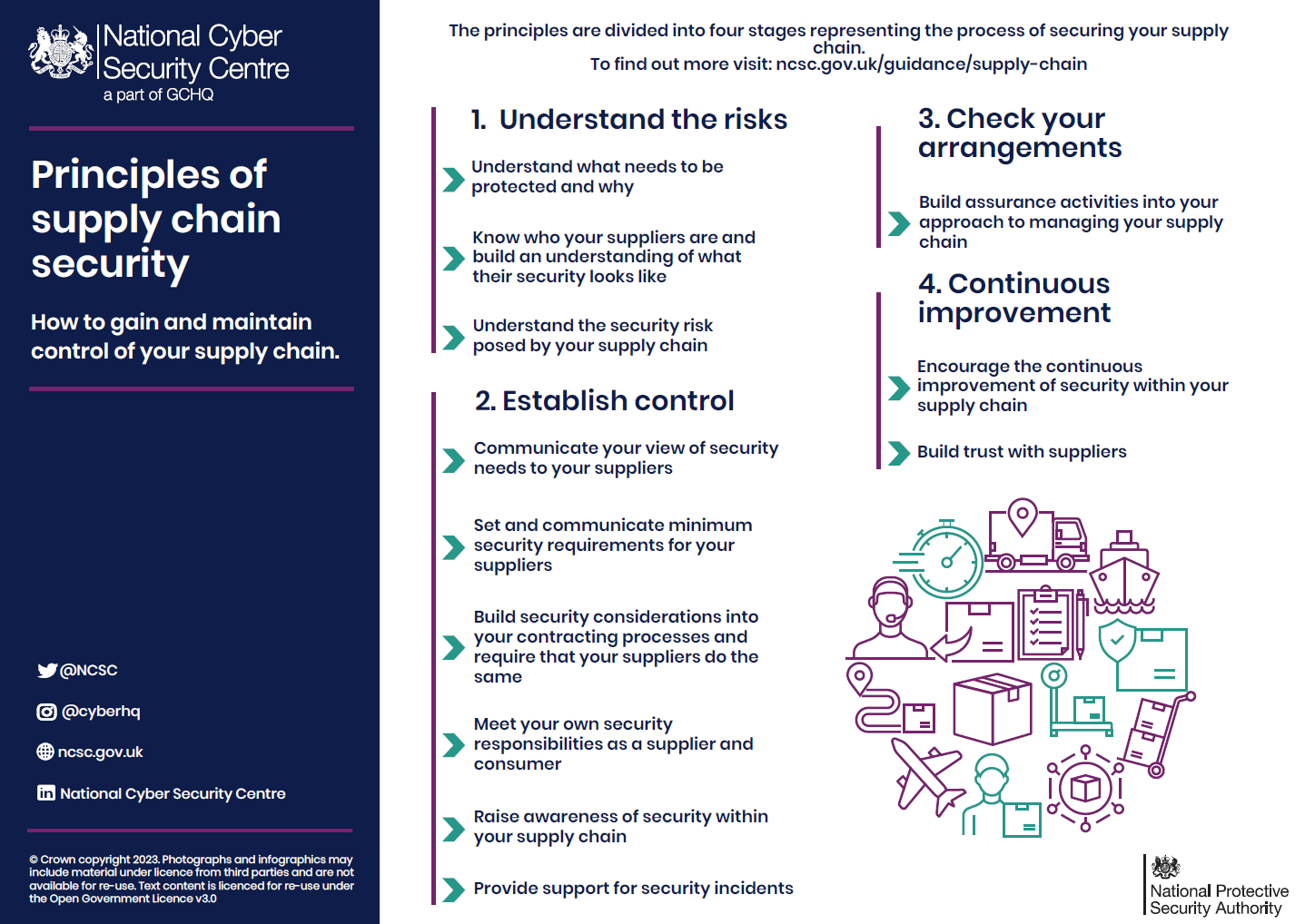
You don’t need long questionnaires or complex audits. You just need a proportionate approach.
1. Identify Your High-Risk Suppliers
Focus first on suppliers that:
- Access your systems
- Handle personal or sensitive data
- Are critical to business operations
These are the relationships that matter most.
2. Ask Simple, Sensible Questions
For key suppliers, ask questions such as:
- Do you hold Cyber Essentials or ISO 27001?
- How do you protect customer data?
- How do you keep systems up to date?
- What happens if you suffer a cyber incident?
A trustworthy supplier should be comfortable answering these.
3. Look for Evidence
Statements like “we take security seriously” aren’t enough on their own.
Good signs include:
- Cyber Essentials certification
- ISO 27001 certification or alignment
- Clear security policies
- Evidence of regular updates and controls
If there’s no evidence, that’s a risk worth noting.
4. Limit Supplier Access
Many breaches cause more damage than necessary because suppliers have too much access.
Good practice includes:
- Giving access only to what’s needed
- Reviewing access regularly
- Removing access when contracts end
This limits the impact if something goes wrong.
5. Set Expectations in Writing
Even basic contracts should cover:
- Data protection responsibilities
- How quickly you’ll be notified of a breach
- Minimum security expectations
This protects both parties and avoids confusion during an incident.
How Cyber Essentials Helps Reduce Supply Chain Risk
Cyber Essentials provides a baseline level of cybersecurity that many UK organisations now expect from suppliers.
Many businesses:
- Require suppliers to hold Cyber Essentials
- Use it as a minimum standard for procurement
- Prefer vendors who can prove their security posture
Being Cyber Essentials certified also reassures your customers that you take cyber risk seriously.
Supply Chain Cyber Risk Is a Business Risk
This isn’t just an IT problem.
Vendor cyber risk affects:
- Your reputation
- Your legal and regulatory obligations
- Your ability to win and retain customers
For SMEs, the goal is not perfection, but:
- Visibility
- Proportionate checks
- Sensible risk reduction
How Fortitude Cyber Can Help
Fortitude Cyber helps UK small and medium-sized businesses:
- Understand vendor and supply chain cyber risks
- Vet third parties in a practical, realistic way
- Align with Cyber Essentials and ISO 27001
- Improve security without unnecessary complexity
If you’re unsure whether your suppliers could put your business at risk, we can help you assess and improve your approach.